Reclaiming the Meaning of Winning
At the Paris Olympics, Nike wanted to remind the world that wanting to win defines an athlete, without being an official sponsor. Attention was split across broadcast, streaming, social, and second screens, making it harder than ever to own the moment.
With Alli, PMG connected more than 50 data sources into one live view of the Games. Alli Creative Insights scored every athlete film and "WIN" asset within hours, Ask Alli gave planners answers on demand, and Alli Brand Equity tied sentiment to sales. Real-time assets went live within minutes of each victory.
Nike became the most talked-about brand of the Games with 44% share of voice, ahead of every official sponsor, and sales landed 37% above forecast.
Nike has always stood for the power of ambition and the will to win. By the time of the Paris Olympics, that belief met a cultural crossroads. The conversation around competition had shifted. Winning was no longer universally celebrated. In a world increasingly comfortable with the idea that it's okay to lose, those who still wanted to win risked being seen as arrogant or out of touch. The line between humility and complacency had blurred.
For a brand built on the conviction that greatness begins with the desire to win, the moment demanded a response. Nike needed to remind the world that striving to win defines an athlete. At the same time, audiences were fragmented across live broadcasts, streaming platforms, social feeds, and second screens, making it harder than ever to earn attention.
The Olympics provided the stage to reclaim the emotional territory Nike had long defined, and to show the world what winning looks and feels like.
Making Nike Unmissable at the Games
Nike's strategy centered on reigniting belief in the value of winning and reminding the world what it looks and feels like. To do that, the brand needed to reassert its voice within a fractured media environment and make its message inescapable wherever culture and sport converged.
Inside Alli, PMG's operating system, the team brought the Games' broadcast, social, and streaming signals into one place. Alli Audience Planner surfaced how sports fans, casual watchers, and cultural audiences were moving between platforms and moments. Ask Alli gave planners a conversational way to interrogate what was happening across broadcast, social, and streaming in seconds. And Alli Brand Equity tied real-time brand sentiment directly to sales impact, so every reactionary moment was backed by evidence, turning responsiveness into a competitive advantage.
PMG then designed a media architecture that combined scale, timing, and agility, uniting broadcast, streaming, social, and out-of-home into one orchestrated ecosystem. Athlete storytelling grounded the work in authenticity, while real-time media ensured Nike was present in every defining Olympic moment.
Owning Every Moment of the Olympics
We orchestrated timing, integration, and precision across every channel, making the campaign unmissable.
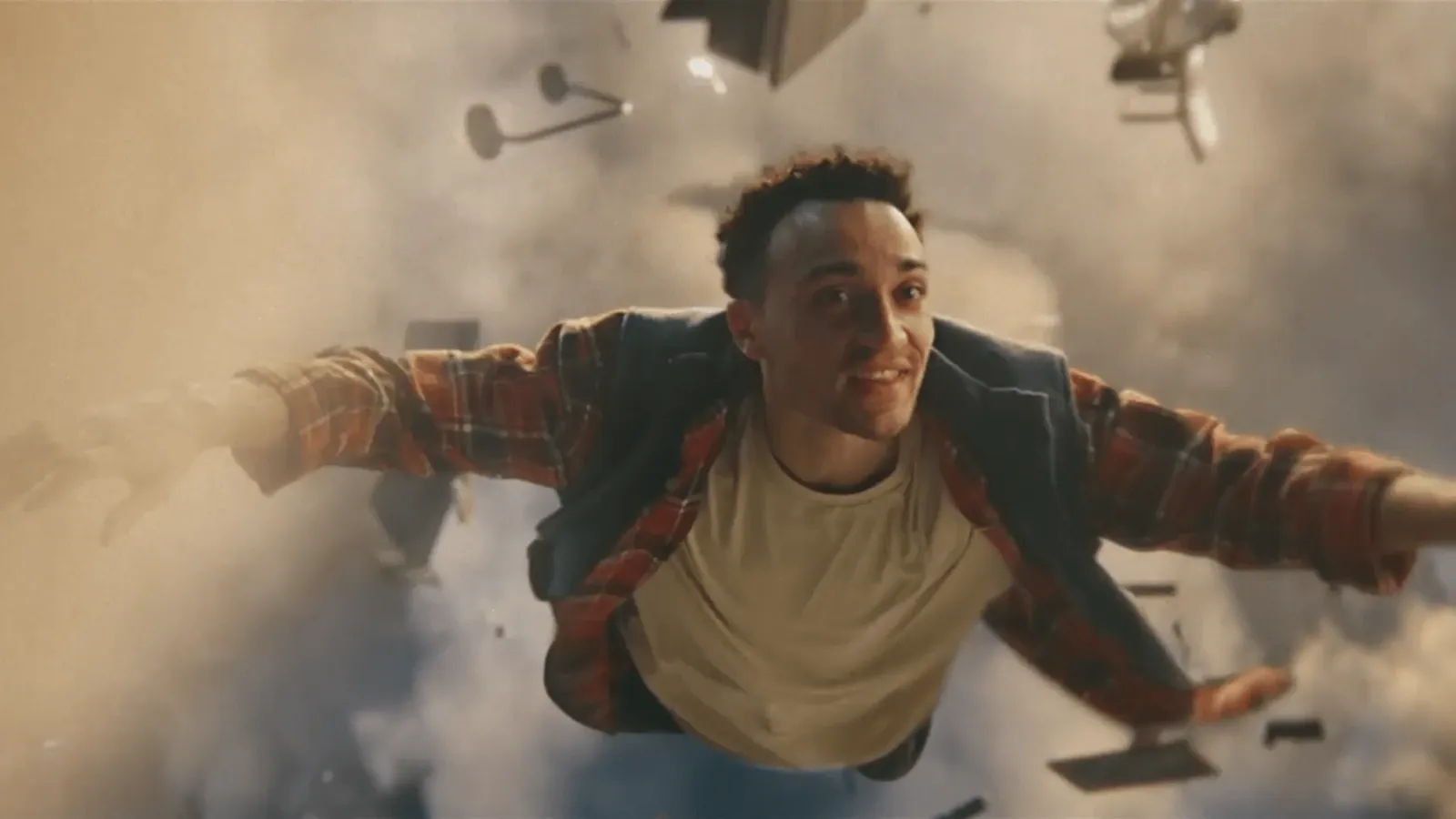
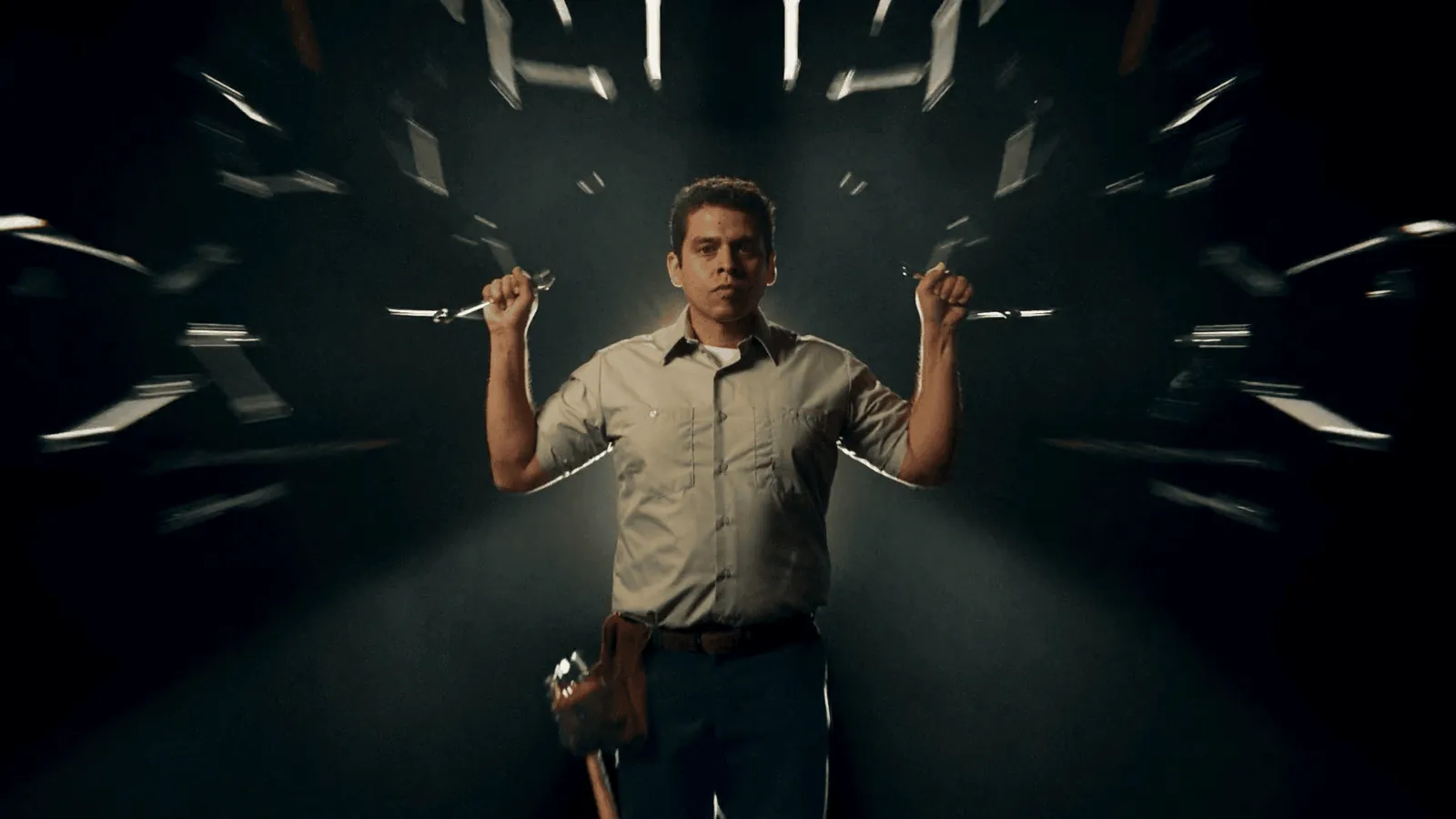
The work began with Am I a Bad Person?, narrated by Willem Dafoe and released days before the Opening Ceremonies. It sparked global attention by asking whether wanting to win makes you a bad person, or simply an athlete striving to be the best.
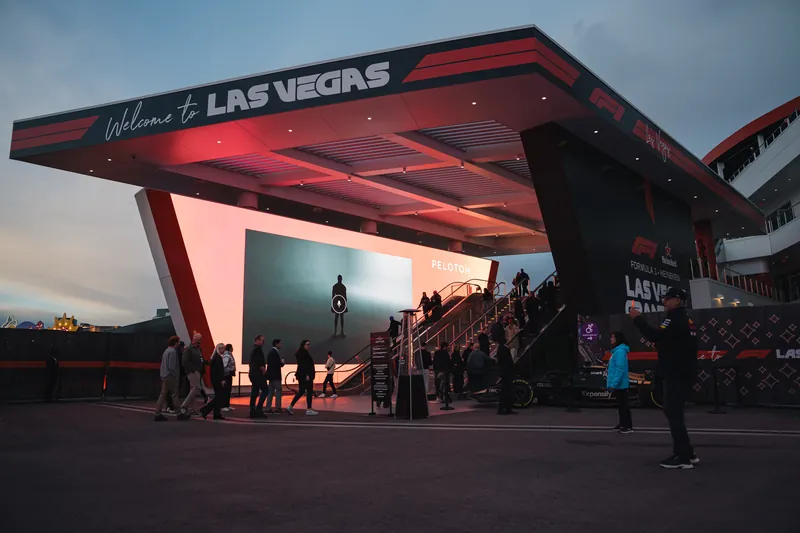
Nike then established a presence across premieres, the WNBA All-Star Game, the Opening Ceremony, YouTube, TikTok, Snapchat, CTV, streaming, and major U.S. out-of-home placements. Thirteen athlete films launched at the start of each competition and pulsed throughout events, while 24 real-time "WIN" assets were deployed within minutes of victories across social and digital OOH.
Every day, Alli pulled more than 50 data sources into one dashboard, with media pacing, creative performance, event outcomes, and social sentiment side by side. Alli Creative Insights scored each athlete film and WIN asset against real-time engagement, so the team could double down on what was resonating within hours of launch. Planners and strategists got answers from Ask Alli on demand instead of waiting for reports, and Alli Brand Equity kept brand and business signals tied together throughout the Games. Alli usage surged more than 400% in two weeks, which meant faster decisions and quicker refinement at global scale.
Dominating the Global Conversation Around Sport
"[Winning Isn't for Everyone] is a story about what it takes to be the best, the legacies that have yet to be shaped, and the dreams that will be made real. It reminds the world that there's nothing wrong with wanting to win."
Nicole Graham, CMO, Nike
Nike reclaimed its competitive edge while kicking off a multi-year journey to reaffirm the brand's position as the world's defining voice in sport.
The campaign achieved 93% reach in North America (98% in EMEA) and generated more than 300 million views in North America alone, 23% above benchmark. Nike became the most talked-about brand of the Olympics, capturing 44% share of voice of all Games-related social conversation and surpassing every official sponsor.
Positive sentiment exceeded benchmarks, and global search interest surged 95%. Most importantly, cultural dominance translated into commercial impact: conversion rates increased 106% across commerce programs, and sales lifted 37% above forecast.
The campaign earned Adweek's Media Plan of the Year award in the $10MM+ category. By embedding an athlete-led point of view into every screen, moment, and market, powered by real-time intelligence from Alli, we made Nike unmissable.
[Winning Isn't for Everyone] is a story about what it takes to be the best, the legacies that have yet to be shaped, and the dreams that will be made real. It reminds the world that there's nothing wrong with wanting to win.